
Blood Sugar Science & Education
Evidence-based approach to diabetes prevention through personalized nutrition science
Understanding Blood Sugar Science
Comprehensive understanding of diabetes, glycemic response, and evidence-based nutritional interventions for optimal blood sugar management
Type 2 Diabetes
Type 2 diabetes develops when your body becomes resistant to insulin or when the pancreas is unable to produce enough insulin. This chronic condition affects how your body processes blood sugar, leading to elevated glucose levels that can damage organs and tissues over time.
Early intervention through lifestyle modifications can significantly reduce risk and, in some cases, lead to disease remission when caught in the prediabetic stage.
Glycemic Index Science
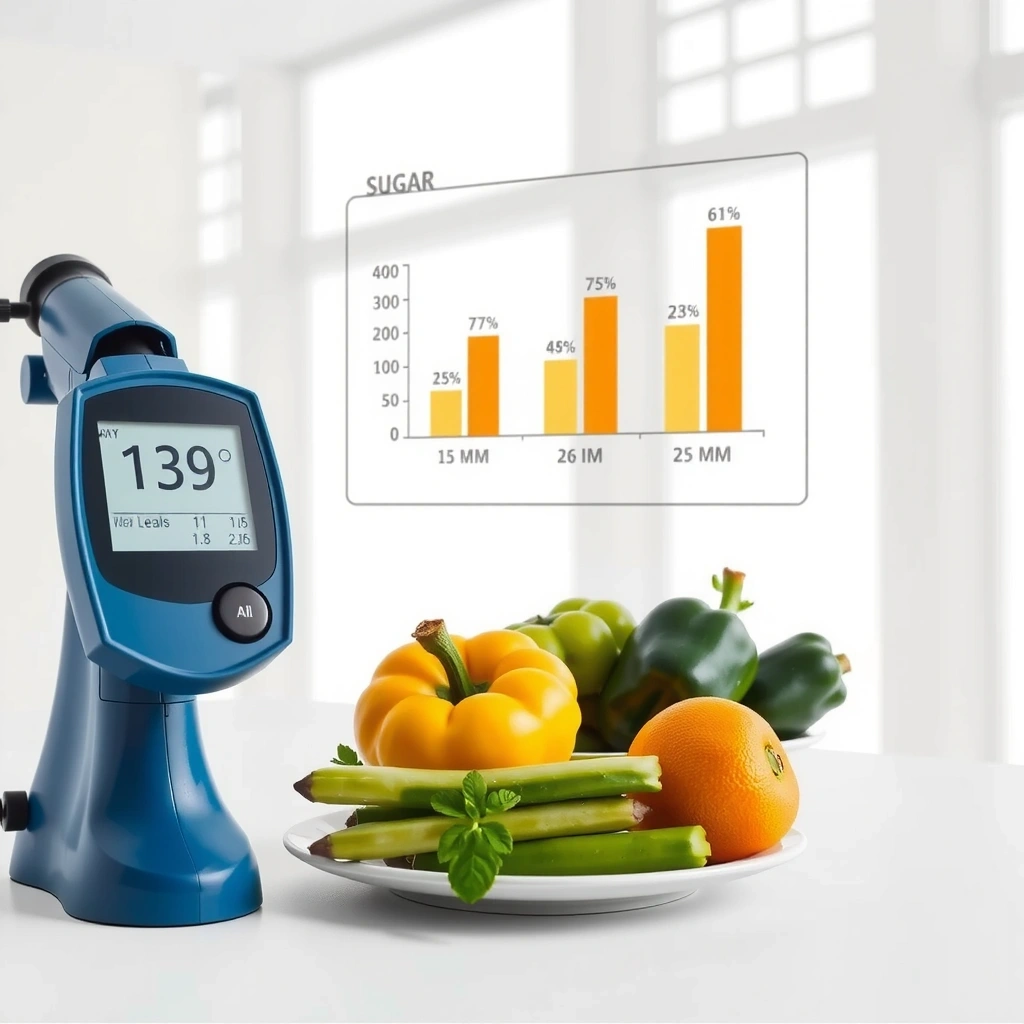
The glycemic index (GI) measures how quickly foods raise blood glucose levels compared to pure glucose. Understanding GI values helps predict post-meal blood sugar spikes and enables strategic food choices for better glycemic control.
Low GI foods (under 55) digest slowly, providing sustained energy release and preventing dramatic blood sugar fluctuations throughout the day.
Nutrition's Prevention Role
Dietary interventions are the cornerstone of diabetes prevention and management. Strategic meal composition, portion control, and timing can dramatically influence insulin sensitivity and glucose metabolism.
Our evidence-based approach combines macronutrient optimization with mindful eating practices for sustainable blood sugar control.
Evidence-Based Method
Our protocols are built on peer-reviewed research and clinical studies, ensuring every recommendation is grounded in scientific evidence rather than trends or personal opinions.
We continuously monitor emerging research and adapt our methodology to incorporate the latest discoveries in metabolic health and diabetes prevention.
The Science Behind Blood Sugar Control
Insulin Sensitivity
Understanding how cells respond to insulin and how nutrition choices can improve cellular sensitivity over time.
Carbohydrate Metabolism
Deep dive into how different carbohydrates affect blood glucose and the importance of fiber in glucose regulation.
Timing and Portion Control
Strategic meal timing and portion sizing to optimize glucose response and maintain stable energy levels.
Our Evidence-Based Methodology
Combining scientific research with personalized nutrition strategies to deliver measurable results
Personalized Nutrition Science
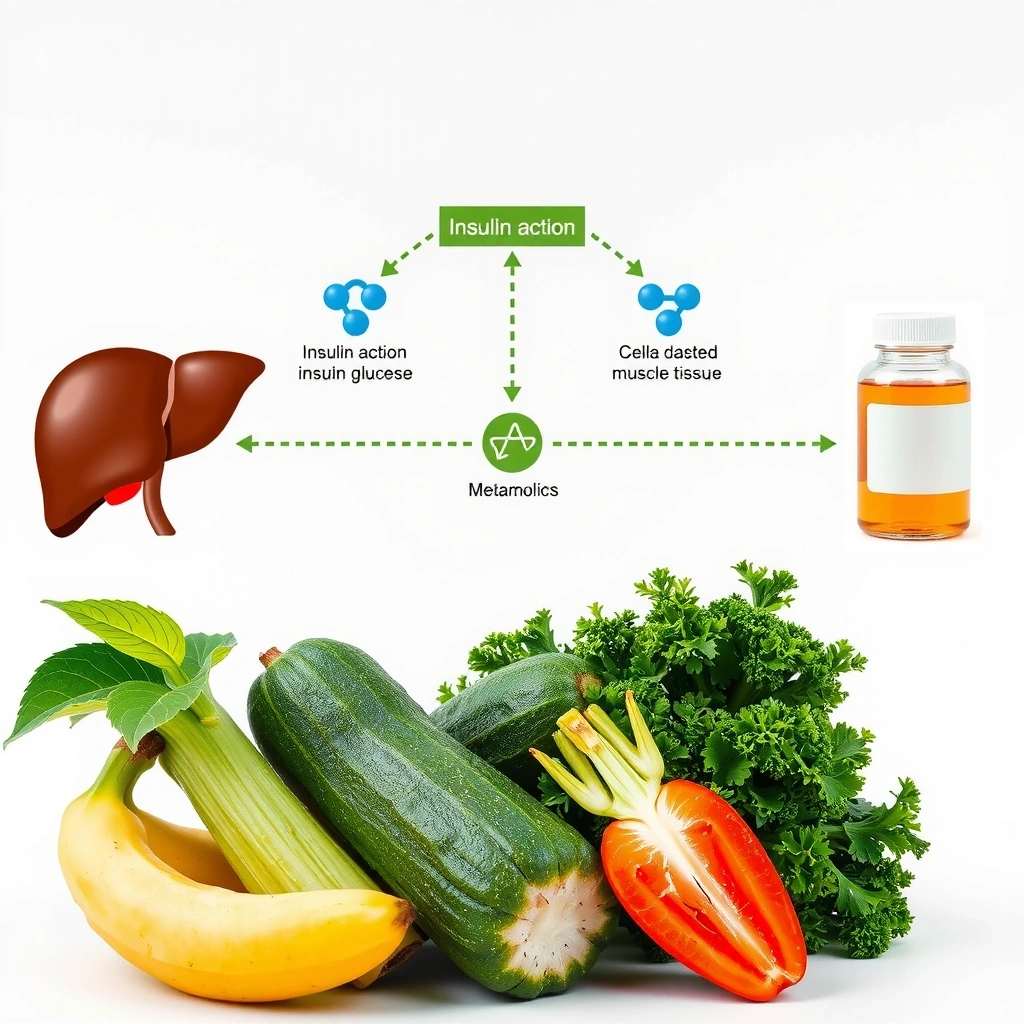
Our approach begins with comprehensive metabolic profiling to understand your unique physiological response to different nutrients. We analyze factors including genetic predisposition, current metabolic state, lifestyle patterns, and dietary preferences to create a truly personalized nutrition strategy.
This scientific foundation ensures that every recommendation is specifically tailored to your body's needs, maximizing effectiveness while maintaining sustainability. Our methodology has shown significant improvements in insulin sensitivity and blood glucose control across diverse populations.


Professional Expertise & Research
Our team includes certified diabetes educators and registered dietitians with specialized training in metabolic health. We maintain active involvement in ongoing research initiatives and continuously update our protocols based on the latest peer-reviewed studies.
Each nutritionist on our team holds advanced certifications and participates in regular continuing education to ensure they remain at the forefront of nutritional science and diabetes prevention strategies. Our collective experience spans clinical practice, research, and community health programs.
Our Professional Standards
All recommendations are based on current clinical guidelines from the American Diabetes Association and international diabetes organizations, ensuring you receive the most authoritative and up-to-date nutrition guidance.
Diabetes Prevention Timeline
Step-by-step journey through evidence-based diabetes prevention methodology
Initial Assessment & Baseline
Week 0Comprehensive health evaluation including fasting glucose, HbA1c, lipid profile, and metabolic markers. We assess current dietary patterns, activity levels, stress factors, and family history to establish your personalized prevention baseline.
Nutritional Intervention Phase
Weeks 1-4Implementation of personalized meal plans emphasizing low-glycemic foods, balanced macronutrients, and optimal meal timing. Weekly check-ins monitor blood glucose responses and adjust portions based on individual metabolic feedback.
Exercise Integration
Weeks 2-8Progressive exercise program designed to improve insulin sensitivity and support healthy weight management. Combines resistance training with cardiovascular activities, specifically timed around meals for optimal glucose utilization.
Monitoring & Optimization
Weeks 4-12Continuous monitoring of key biomarkers including fasting glucose, post-prandial responses, and insulin sensitivity markers. Data-driven adjustments ensure optimal metabolic improvements and sustainable lifestyle changes.
Long-term Prevention
Month 3+Transition to sustainable long-term habits with quarterly health assessments and ongoing support. Focus shifts to maintenance strategies, stress management, and continued monitoring to prevent regression and maintain optimal metabolic health.
Professional Expertise & Qualifications
Our team combines advanced certifications with practical clinical experience to deliver exceptional diabetes prevention care
Registered Dietitian
All our nutritionists hold active RD credentials with specialized training in diabetes education and metabolic disorders.
Certified Diabetes Educator
Specialized certification in diabetes self-management education and support (DSMES) with focus on prevention strategies.
Clinical Research Experience
Active involvement in nutrition and diabetes prevention research, ensuring our methods reflect current scientific evidence.
Advanced Training & Specializations
Metabolic Health Certification
Specialized training in metabolic syndrome, insulin resistance, and precision nutrition approaches.
Behavioral Nutrition Psychology
Advanced understanding of sustainable behavior change and psychological factors in dietary adherence.
Sports Nutrition & Exercise Physiology
Integration of exercise science with nutrition for optimal metabolic health and insulin sensitivity.
Professional Affiliations
Academy of Nutrition and Dietetics
Active membership ensuring access to latest research and best practices in nutrition science.
American Diabetes Association
Professional participation in diabetes prevention initiatives and clinical guideline development.
International Diabetes Federation
Global perspective on diabetes prevention strategies and evidence-based interventions.
Evidence-Based Results
Our methodology is supported by clinical research and demonstrated outcomes in diabetes prevention
Key Research Findings
"Structured nutrition intervention with personalized meal planning resulted in significant improvements in glycemic control and insulin sensitivity in at-risk populations."
"Early intervention through evidence-based dietary modifications shows promise in preventing type 2 diabetes progression in prediabetic individuals."
Clinical Trial Participation
National Diabetes Prevention Trial
Collaborative research initiative
Personalized Nutrition Study
Metabolic response research
Lifestyle Intervention Research
Long-term prevention outcomes
Ready to Take Control of Your Health?
Start your evidence-based diabetes prevention journey with personalized nutrition guidance from our expert team